Anatomy For Consumption: In conversation with lily Jones
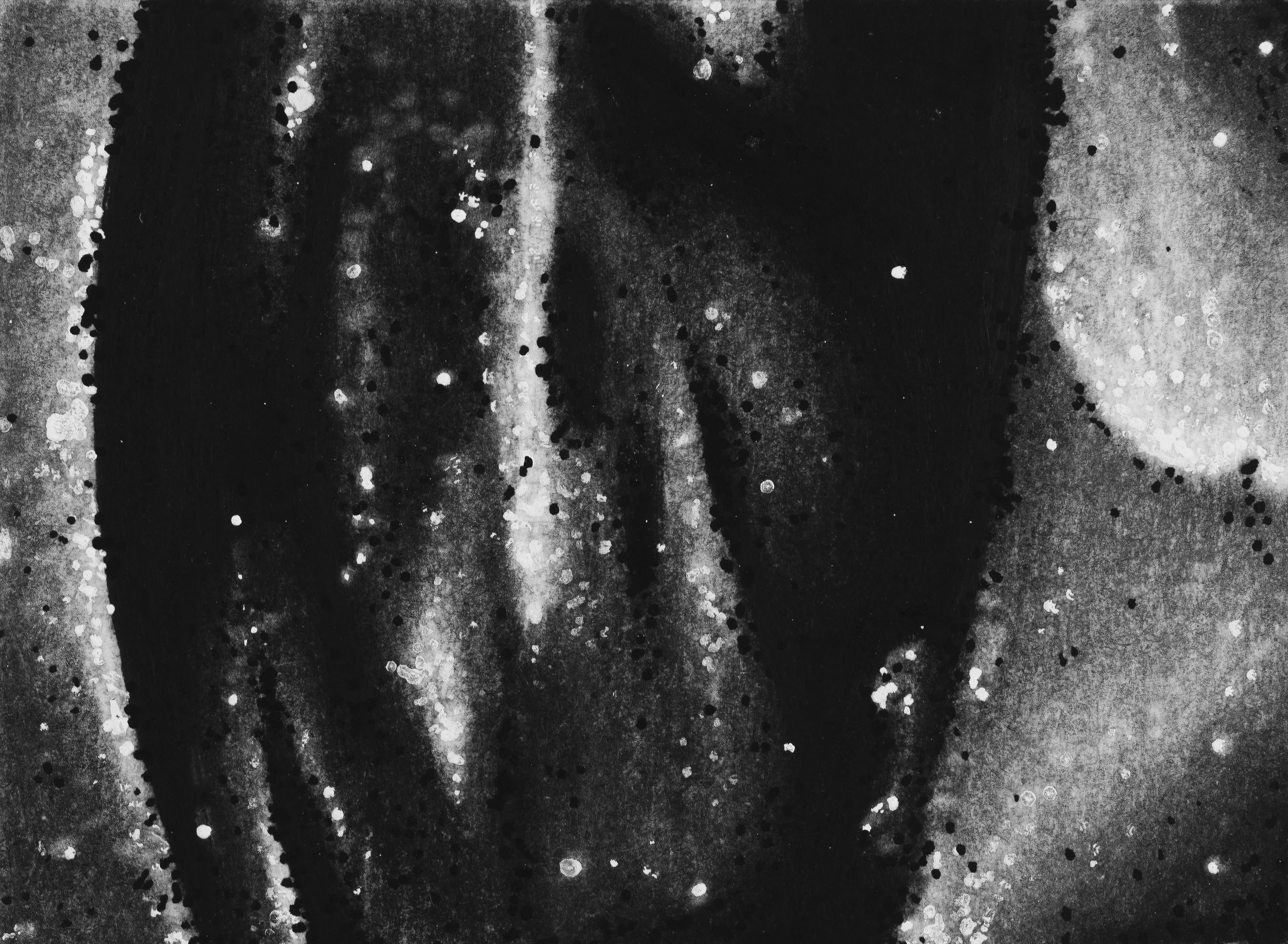
I’m Lily Jones, an artist from Northampton and a recent Fine Art Painting and Drawing graduate from the University of Northampton. I make charcoal drawings exploring how the vulva is represented and viewed, particularly through pornography and medical imagery. Working from closely cropped photographs, I use strong contrasts of light and dark to create images that move between recognisable anatomy and unfamiliar forms. I’m interested in how this uncertainty encourages people to look more closely and become aware of the way they’re looking.
The drawings developed from a feeling of alienation from my own body. Images of the vulva had only really been presented to me through medical or pornographic contexts, and I felt I’d never been given the chance to understand this part of my body outside those ways of looking. Working with charcoal, close cropping and strong contrasts of light and dark, the anatomy began to look unfamiliar. That unfamiliarity mirrored my own experience. Something that was part of me could still feel difficult to recognise or understand. I became interested in how the drawings could bring viewers into that uncertainty and encourage them to consider how their own understanding of the body has been shaped by the images available to them.
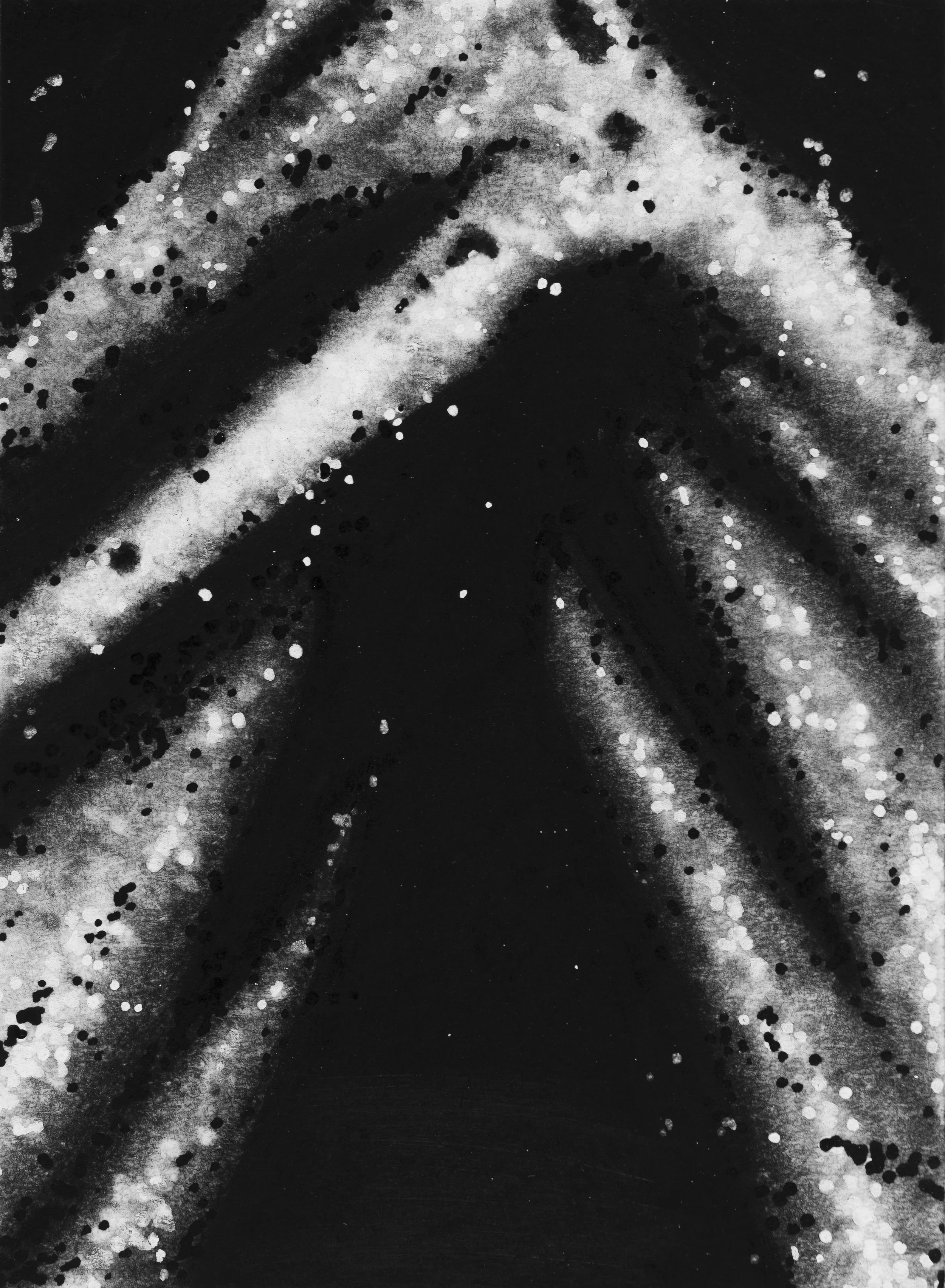
Images of the vulva had only really been presented to me through medical or pornographic contexts…
I think people’s reactions will depend on how quickly they recognise what they’re looking at. Because the drawings are closely cropped and abstracted, someone might spend time looking at an image before realising it depicts a vulva. I’m interested in that moment of recognition, when the drawing itself hasn’t changed but the viewer’s relationship to it might. They may suddenly feel more conscious of looking, or question why recognising this particular part of the body changes their response. I imagine there may be some discomfort, particularly because the work brings something usually treated as private into a public space. That discomfort connects to the alienation that led me to make the drawings. A part of the body can be physically familiar yet visually unfamiliar, especially when the opportunities to encounter it have been shaped by medical or pornographic imagery. I hope the work gives people time to consider that feeling and where it comes from. I’m also conscious that the way the drawings are framed and repeated invites close observation and comparison. Even as I question those ways of looking, the work can draw viewers into them. I don’t want to prescribe a particular reaction or suggest that the drawings offer a completely neutral way of seeing. I hope people leave more aware of their own act of looking, with questions about how this part of the body has become familiar to them, or remained unfamiliar.
A part of the body can be physically familiar yet visually unfamiliar…
Image Credit: Hannah Tebbutt
I think work that explores uncomfortable subject matter can give us space to examine things we might otherwise avoid. Our discomfort can reveal something about what we’ve been taught, what we’re used to seeing and what has been kept out of view. Art allows us to spend time with those feelings and question them without needing to arrive at an immediate answer. In relation to my work, I find it significant that a part of my own body could feel so unfamiliar to me. When images of the vulva are mainly encountered through medical or pornographic contexts, those ways of looking can shape our understanding before we’ve had much opportunity to develop a relationship with the body ourselves. Bringing it into a gallery creates another context in which to encounter it, although that context also carries its own expectations and ways of looking. For me, the importance lies in making room for that questioning. I don’t think discomfort automatically makes an artwork meaningful, but it can be a starting point for understanding why something feels difficult to look at or discuss. The work may resolve that difficulty to open up a conversation that might otherwise never happen.
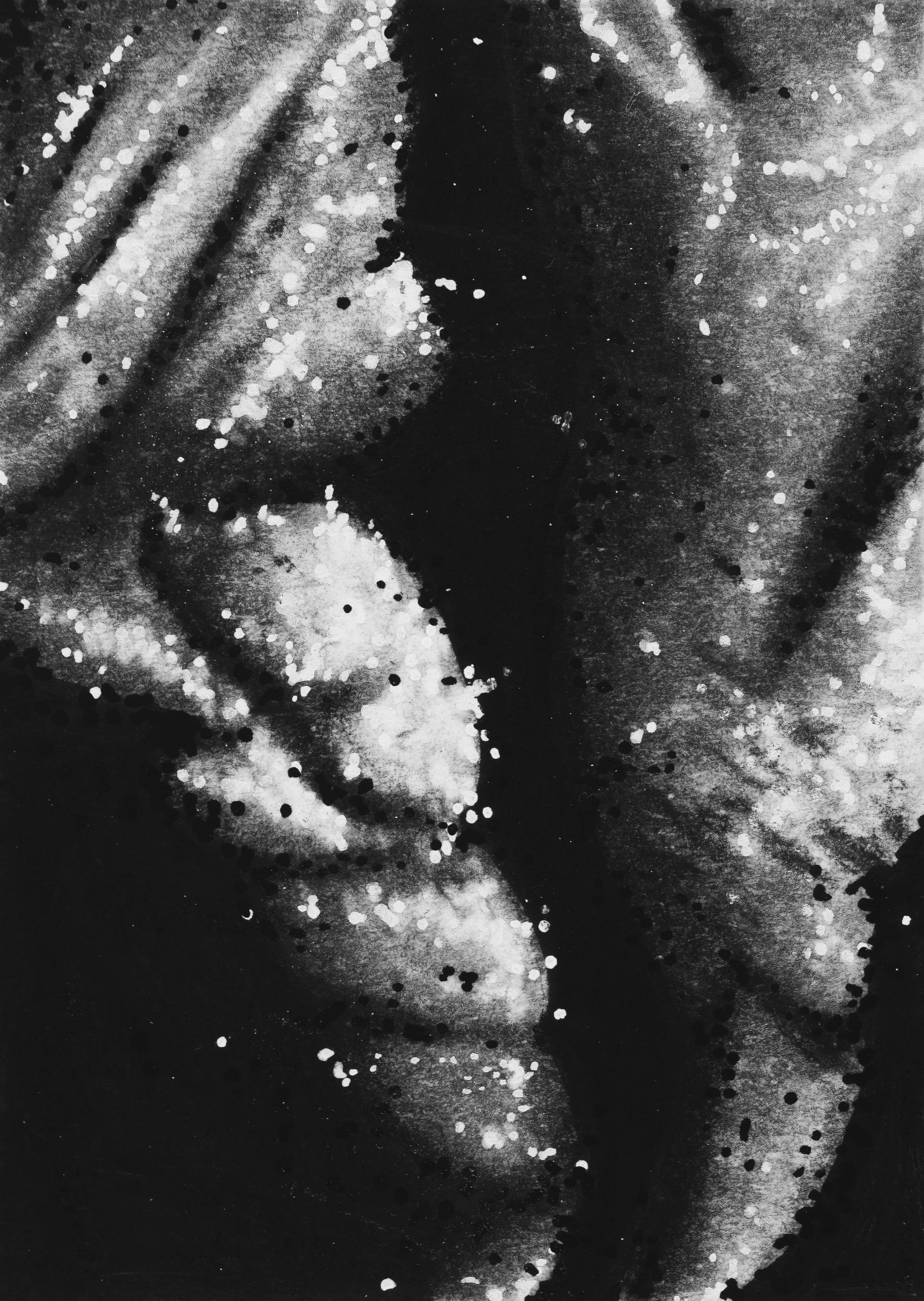
I find it significant that a part of my own body could feel so unfamiliar to me.
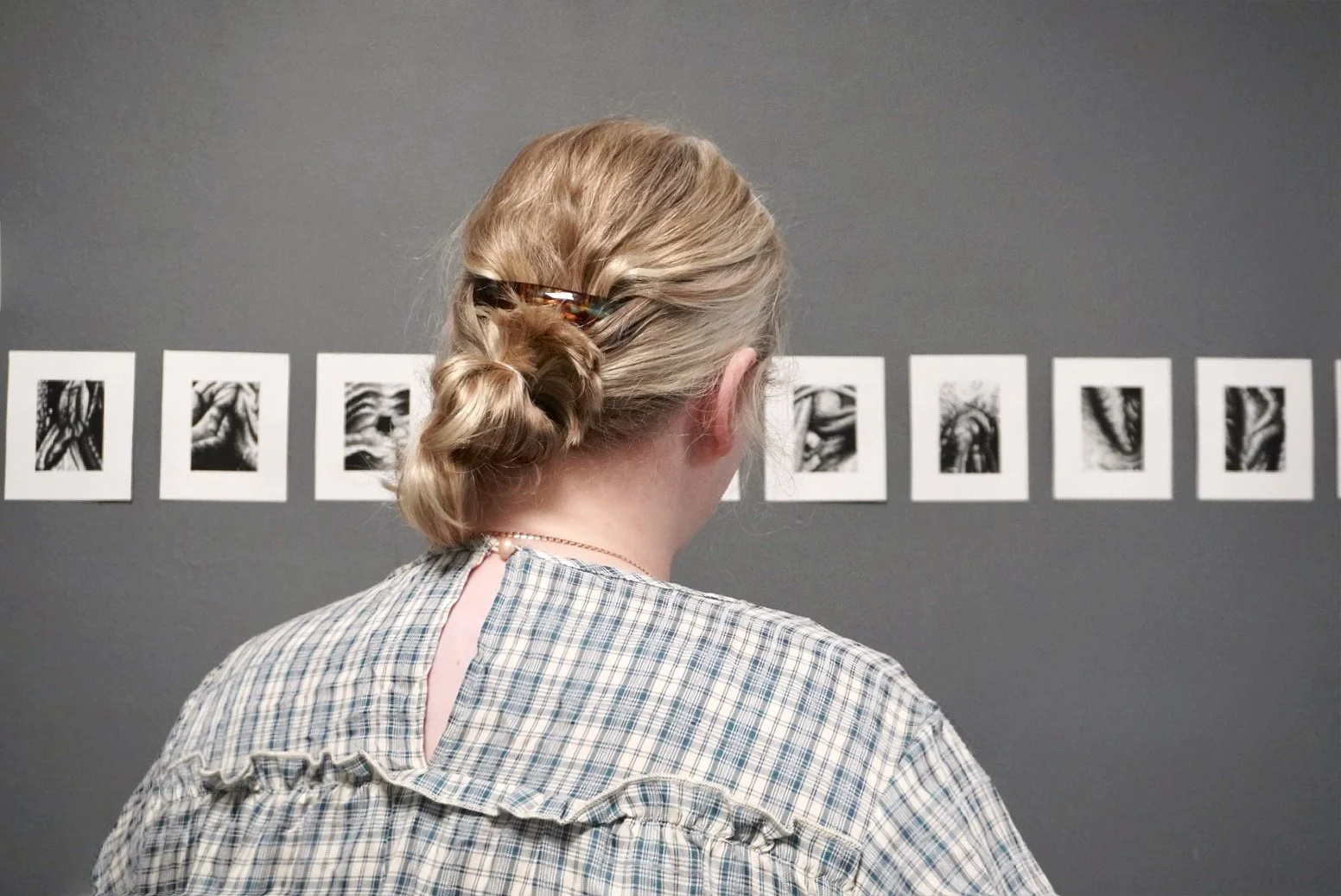
I don’t have an individual favourite because, for me, the drawings work together as a set. Their relationship to one another is central to the work. Presented in a long line, they invite comparison, and the repetition means that individual bodies can begin to merge into a collective image. Each drawing comes from a different person, yet very little of that person’s individuality is available to us. There are particular pieces I enjoy hearing people respond to. Their reactions have influenced what I’ve made next, so those encounters have become part of how the series develops. Hearing what someone sees or feels in a drawing gives me another way to understand the work and opens up possibilities to explore. The repetition also affected my experience of making the drawings. Over time, the process began to feel almost machine-like, and I find it difficult to remember making any particular piece. Each one involved hours of close attention, but they have blurred together in my memory. That feels connected to the loss of individuality within the line-up, and it made me question how my own process was contributing to the detachment I was exploring. It matters that even I, as the artist, don’t know these people. I’ve spent hours studying and drawing one of the most intimate parts of their bodies, but I don’t even know their names. Having such close visual access to someone’s body doesn’t necessarily mean knowing or understanding them. I’m still unsure how that sustained attention affects my connection to the person, and that uncertainty remains part of the work. I don’t make the drawings with one correct viewpoint in mind. My own experience informs them, and each viewer brings their own relationship to the subject. I think that openness gives the work a communal quality. The series becomes a shared space for looking and questioning, with its meaning developing through the experiences people bring to it.
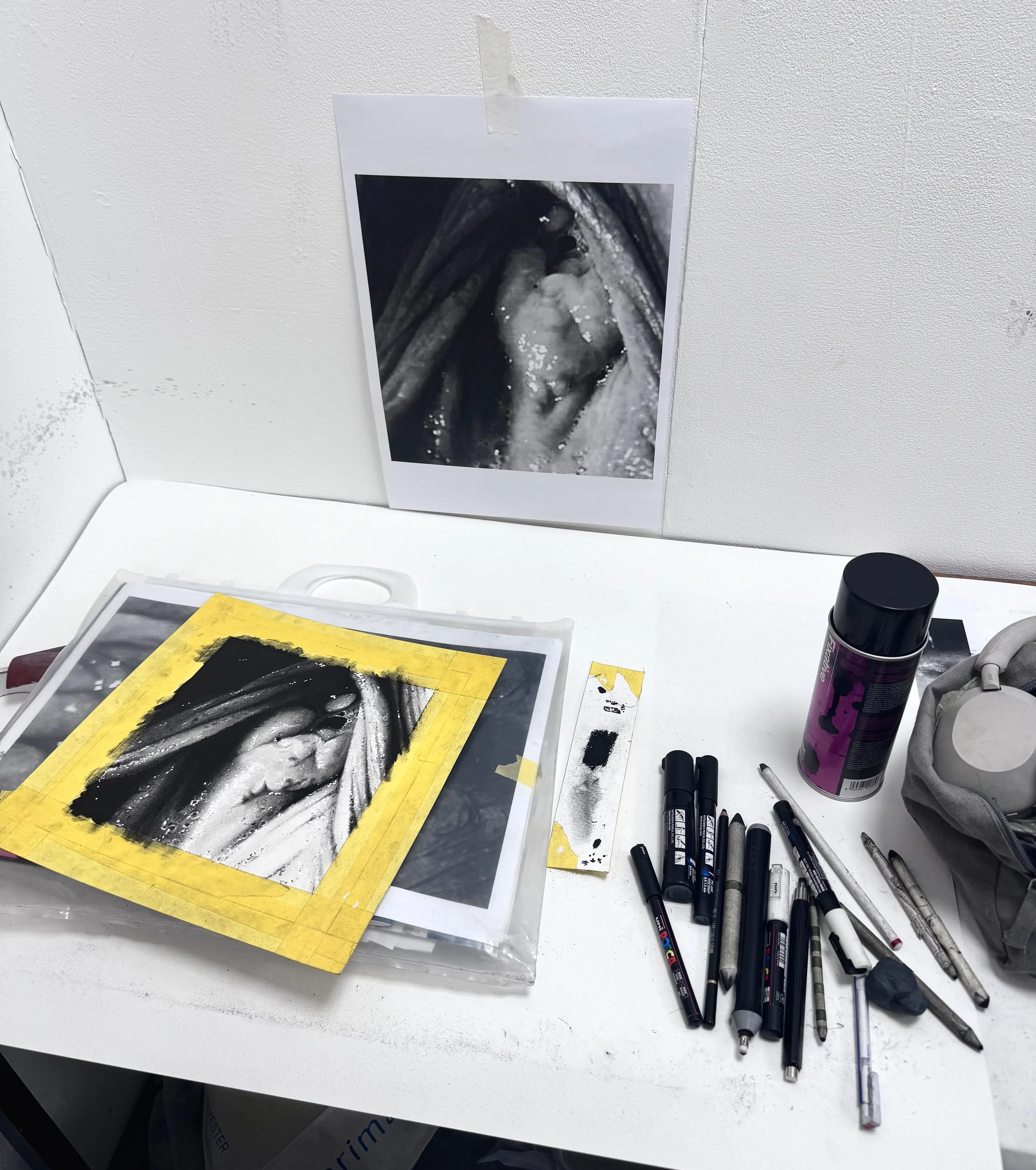
Each one involved hours of close attention, but they have blurred together in my memory.
That feels connected to the loss of individuality within the line-up…
Some of my favourite moments have come from conversations the drawings have opened up. People have shared their own stories about their bodies and how they’ve encountered images of the vulva. Hearing those experiences has helped me understand how personal our relationships with this part of the body can be, and how much the way it is presented influence us. Making this work has also helped me understand more about my own relationship with my body. Spending so much time with the subject has made me more comfortable with it, and I keep discovering things I hadn’t considered. Familiarity feels like something that continues to develop, with each drawing and conversation creating possibilities for further understanding. I’ve enjoyed that ongoing discovery and the connection it has given me to the work. Other people’s responses make me return to the drawings with new questions, and sharing these experiences has become one of the most meaningful parts of the project.
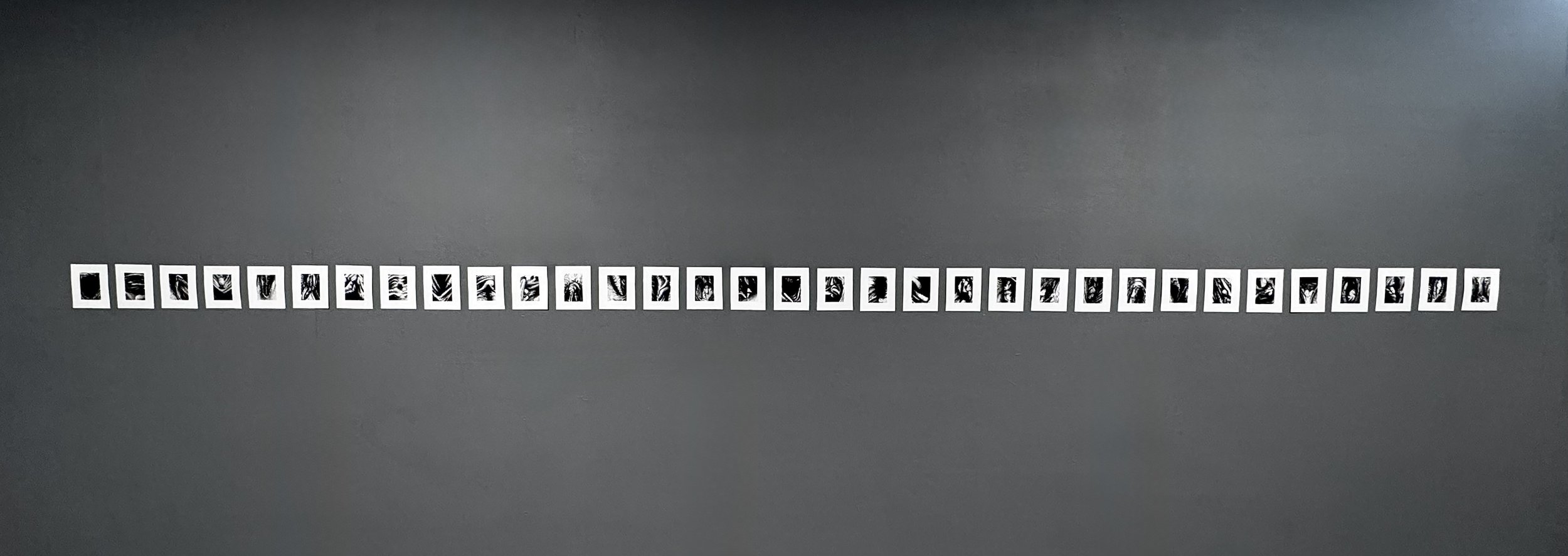
Anatomy For Consumption Exhibited at UON Graduate Show 2026
Place has influenced my work through the settings in which the body is seen and the expectations those settings create. A medical image invites examination, while pornography frames the body for sexual consumption. Context gives us cues about how to look and what response is expected. I’m interested in blurring those contexts within the gallery. The close cropping and repeated arrangement of the drawings echo medical displays, while the intimacy of the subject carries associations with pornography. As those associations overlap, it can become difficult to know immediately how to approach the imagery. That uncertainty can feel uncomfortable because the viewer has to consider their own response and how they are consuming what they see. The exhibition space becomes part of that encounter. The long line of drawings invites sustained looking and comparison, making the viewer’s position in relation to the bodies an important part of the work.
Words by: Lily Jones
Anatomy For Consumption Exhibition open 6-10PM, 21st of November @ PHOTOMAFIA Studios